
Austin, Texas · Silicon Hills
The city tech moved to
A decade ago Austin was where a company opened a satellite office. Now it is where headquarters relocate, where chip fabs rise in the farm towns north of town, and where a steady stream of engineers lands with a one-way ticket. Here's the honest read on what's actually happening, and what the hype leaves out.
The scene
A boomtown that's still deciding what it is
Austin's tech story didn't start with Elon Musk, and it won't end with him. Dell built here in the 1980s. IBM, Motorola and a wave of semiconductor plants gave the city the "Silicon Hills" name long before the pandemic sent a second wave of companies and workers south. What changed recently is the scale and the visibility, a few marquee relocations, a cluster of chip projects, and enough venture money to keep a startup scene humming.
No state income tax TexasChip fabs going upHQ relocations realStartups everywhere
It is not all upside, and we won't pretend otherwise. Traffic, housing costs and an electric grid under strain are the other half of the story. The pages here try to cover both, what's being built, who's building it, and what it means for the people already living here.
Who's here
The companies behind the boom
The relocations
Tesla moved its headquarters to a factory east of town. Oracle shifted its HQ to the lakefront. Big names bring suppliers, recruiters and landlords in their wake, and set the tone for everyone chasing them here.
The chipmakers
Samsung is building a multi-billion-dollar fab up in Taylor, and the region's older semiconductor plants keep expanding. Silicon is quietly the most consequential part of the Austin tech economy, even if it makes fewer headlines than the founders do.
The startups
Below the giants sits the part that actually defines a tech town: hundreds of small companies in software, hardware, climate and defense, fed by UT graduates and transplants who came for a job and stayed to start something.
Where it happens
The office is spreading out
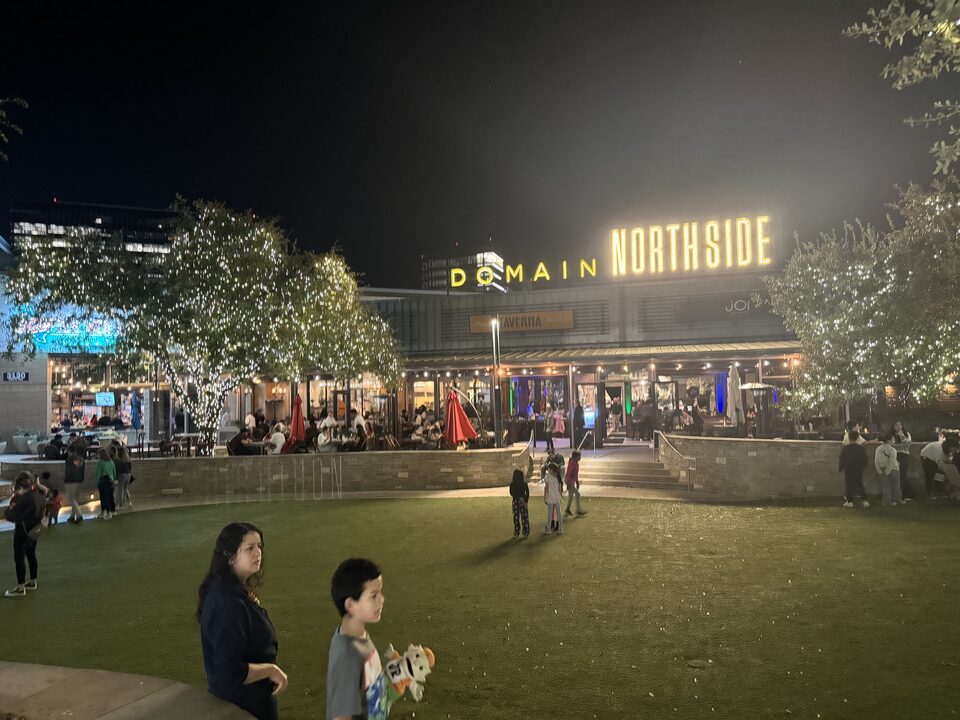
Downtown still has the signature towers, but the center of gravity keeps drifting. The Domain in North Austin has become a second downtown for tech, a walkable grid of offices, apartments and shops that companies treat as a real campus. The east side carries the startups and the studios. Knowing which district fits which kind of work is half of reading the scene.
The people moving here
Talent is the real supply chain
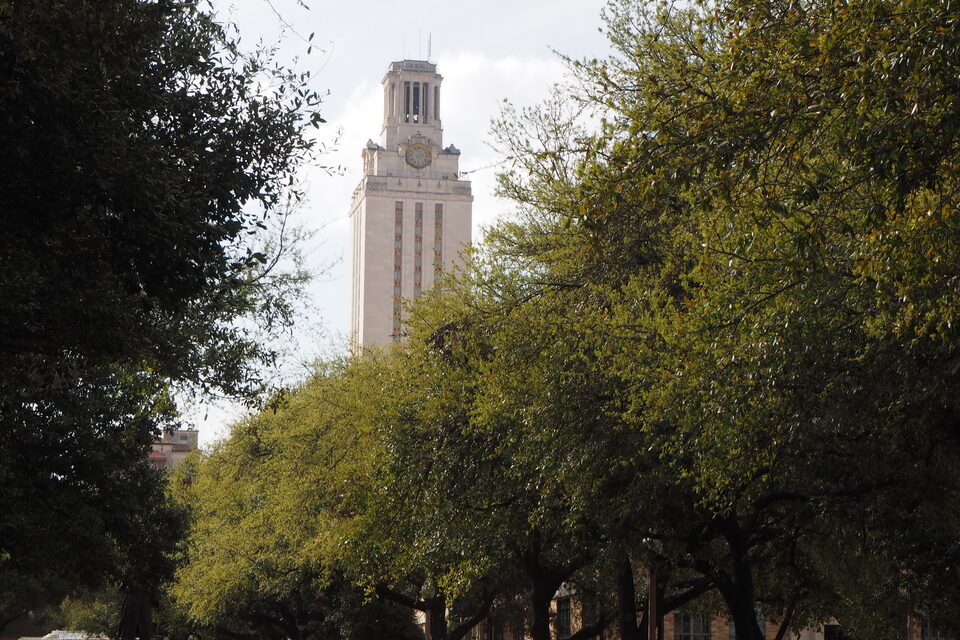
Every chip plant and every startup runs on people, and Austin's pitch to them is simple: a big university pumping out engineers, no state income tax on the paycheck, and a city young enough to feel like a bet rather than a destination. The University of Texas anchors the pipeline; the transplants from the coasts fill in the rest. When that flow slows, the whole boom slows with it.
What's actually happening
The stories worth following
Past the launch announcements, a few threads actually move the Austin tech economy. These are the ones we keep an eye on.
The chip build-out
Fabs are slow, expensive and enormous. How Samsung's Taylor plant and the region's older plants are reshaping the suburbs north of Austin.
The data-center rush
AI demand is pulling data centers into Central Texas fast, big power draws, big tax deals, and a real question about how many lasting jobs they bring.
Tesla, SpaceX and the rest
Love it or not, the Musk companies are a gravitational center for Austin tech. We track what's real, what's announced, and what's just a tweet.
From the news desk
Recent on the Austin tech beat
We track the companies, the money and the policy fights so you don't have to. A few recent reads from the wire:
UT leads a chip-workforce push
The fabs need people before they need anything else. A multi-state effort to train the semiconductor workforce runs through Austin.
State money behind the Taylor fab
A quarter-billion-dollar state grant toward Samsung's Central Texas semiconductor build, how public dollars are backing the chip boom.
Data centers, few permanent jobs
The AI data-center boom is real, but the payroll it leaves behind is thin. A closer look at what Austin actually gets.

Keep up with it
Follow the Austin tech story
The companies, the chips, the people and the trade-offs, in one place, kept current and kept honest. Start with the questions most people ask first.